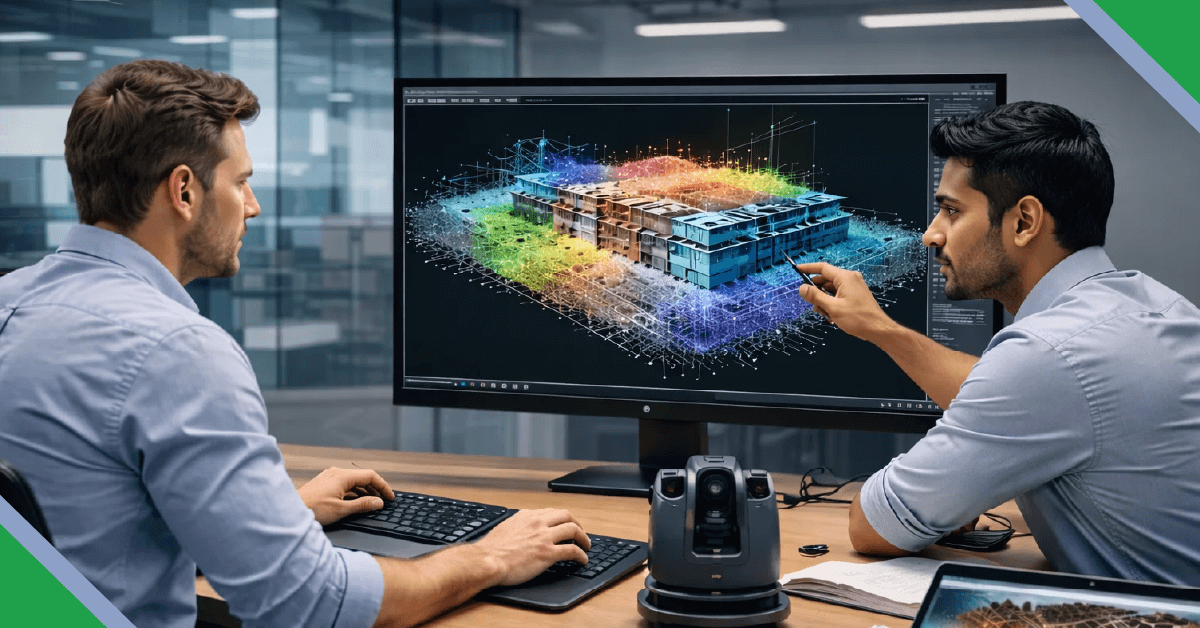

The construction industry is increasingly relying on reality capture technologies to improve accuracy, reduce rework, and make better project decisions. One of the most effective workflows emerging today is the conversion of point cloud data into Building Information Models (BIM) using Revit.
This process, commonly referred to as Point Cloud to BIM, enables highly accurate digital representations of existing conditions, helping project stakeholders improve coordination, planning, and construction outcomes.
1. Understanding Point Cloud to BIM Workflow
Point cloud data is generated using laser scanning or photogrammetry technologies, capturing millions of spatial data points that represent the physical environment with high precision.
When this data is imported into Revit, it serves as a reliable reference for creating an accurate BIM model that reflects real-world conditions.
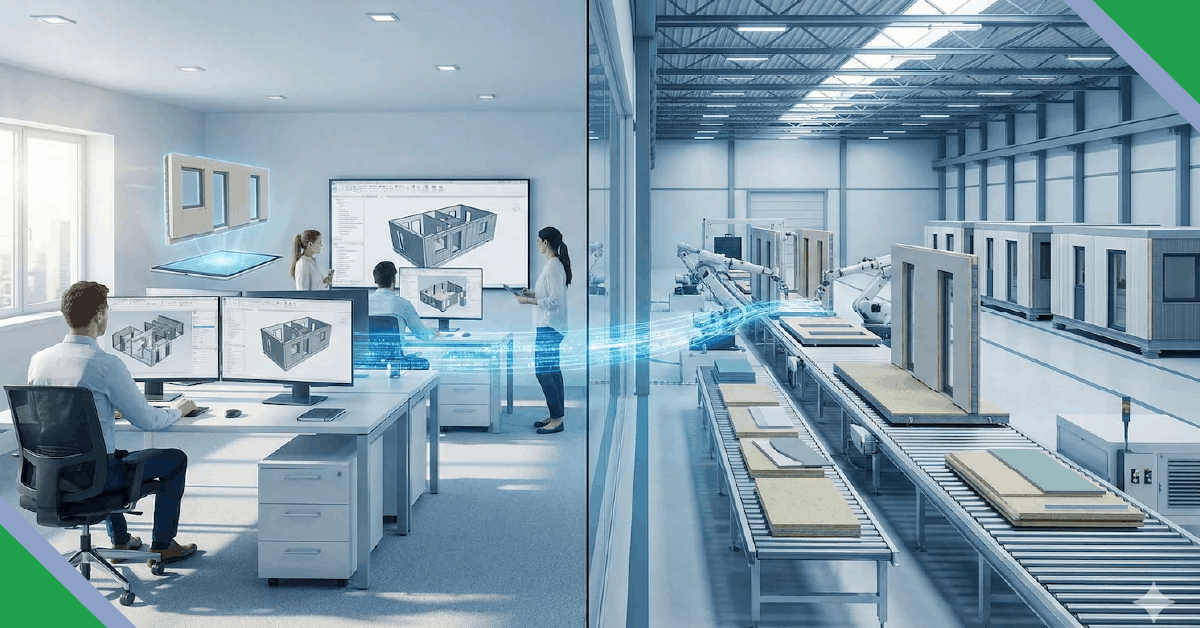
The typical Point Cloud to BIM workflow includes:
- Site scanning using LiDAR or photogrammetry
- Processing and cleaning raw point cloud data
- Importing point cloud files into Revit
- Modeling architectural, structural, and MEP elements
- Validation and quality checks against scan data
2. Why Accuracy Matters in Revit Modeling
Accurate Revit modeling is critical because even small discrepancies between design intent and existing site conditions can lead to costly errors during construction.
- Incorrect dimensions can cause fabrication issues
- Poor alignment leads to on-site clashes
- Inaccurate models result in design revisions and delays
By using point cloud data as the foundation, Revit models are based on actual site conditions rather than assumptions or outdated drawings.
3. How Accurate Revit Models Improve Construction Outcomes
Point Cloud to BIM workflows deliver tangible benefits throughout the construction lifecycle.
| Construction Phase | Impact of Accurate Revit Modeling |
|---|---|
| Pre-construction | Improved planning, accurate quantity take-offs, reduced design risks |
| Design coordination | Early clash detection and better multidisciplinary coordination |
| Construction | Fewer site conflicts, reduced rework, smoother execution |
| Post-construction | Reliable as-built models for facility management and future renovations |
4. Clash Detection and Risk Reduction
One of the most valuable outcomes of accurate Revit modeling from point cloud data is improved clash detection.
- Structural elements align with actual site geometry
- MEP systems are modeled with real-world constraints
- Conflicts are identified early, before construction begins
This significantly reduces construction risks and unexpected on-site changes.
5. Improved As-Built Documentation
Traditional as-built drawings often lack precision and consistency. Point Cloud to BIM workflows produce highly accurate as-built Revit models that reflect what was actually constructed.
For a deeper look at as-built modeling accuracy, you can also refer to Leveraging Point Cloud Data for Accurate As-Built Models.
6. Faster Renovation and Retrofit Projects
Accurate BIM models created from point cloud data are especially valuable for renovation, retrofit, and expansion projects.
- No reliance on outdated drawings
- Clear understanding of existing conditions
- Reduced site verification time
This enables design teams and contractors to move forward with confidence.
7. Better Collaboration Across Project Teams
Revit-based BIM models serve as a single source of truth for all project stakeholders.
- Architects, engineers, and contractors work from the same model
- Clear visualization improves communication
- Decisions are based on accurate spatial data
This collaborative approach leads to better alignment and fewer misunderstandings across teams.
8. Applications Across Project Types
Point Cloud to BIM services using Revit are commonly applied across:
- Commercial buildings
- Industrial facilities
- Infrastructure projects
- Hospitals and healthcare facilities
- Heritage and existing structures
These models support long-term asset management and operational efficiency.
9. Role of Specialized BIM Service Providers
Creating accurate Revit models from point cloud data requires technical expertise, quality control processes, and experience with large datasets.
Specialized BIM service providers with strong point cloud handling capabilities help ensure consistency, accuracy, and compliance with project standards. Related insights on Revit precision can also be found in How Revit Enhances Precision in Architectural Projects.
Conclusion
Point Cloud to BIM workflows transform raw scan data into actionable intelligence. Accurate Revit modeling based on point cloud data improves coordination, reduces construction risks, and delivers reliable digital assets for the entire building lifecycle.
As construction projects demand higher levels of accuracy and accountability, Point Cloud to BIM services are becoming essential for achieving predictable and successful construction outcomes.