Digital Photo Treatment
Real Estate Photo Editing Services:
What Photographers Can Outsource
and Where to Draw the Line
Editing is where a good shoot becomes a listing that works, and where a careless edit can mislead a buyer. Here is what professional photo treatment covers, how to brief it, and what to keep in mind about disclosure.
Key takeaways
- Most buyers meet a property through photos first, so consistent, accurate editing carries real weight.
- Edits fall into different levels. Corrections are generally accepted everywhere. Alterations to the property itself are where disclosure rules apply.
- Rules on altered listing photos are changing and differ by MLS, state and country. Check yours, and keep your originals.
- A clear brief, a style reference and an approved sample edit make outsourced retouching predictable.
Photos are the first impression, and often the only one
Property search now starts on a screen. In the National Association of REALTORS® 2024 Profile of Home Buyers and Sellers, 43% of buyers said looking at homes online was the first step in their search, 51% found the home they bought through their own online searching, and 69% searched on a mobile phone or tablet. About four in ten buyers valued listing photos.
US figures from the 2024 edition of NAR’s survey, as summarized by Real Estate Today. NAR has since published a 2025 edition, and percentages shift from year to year. The pattern is the useful part: search starts online and mostly on a phone, where photos are small and quality differences are obvious.
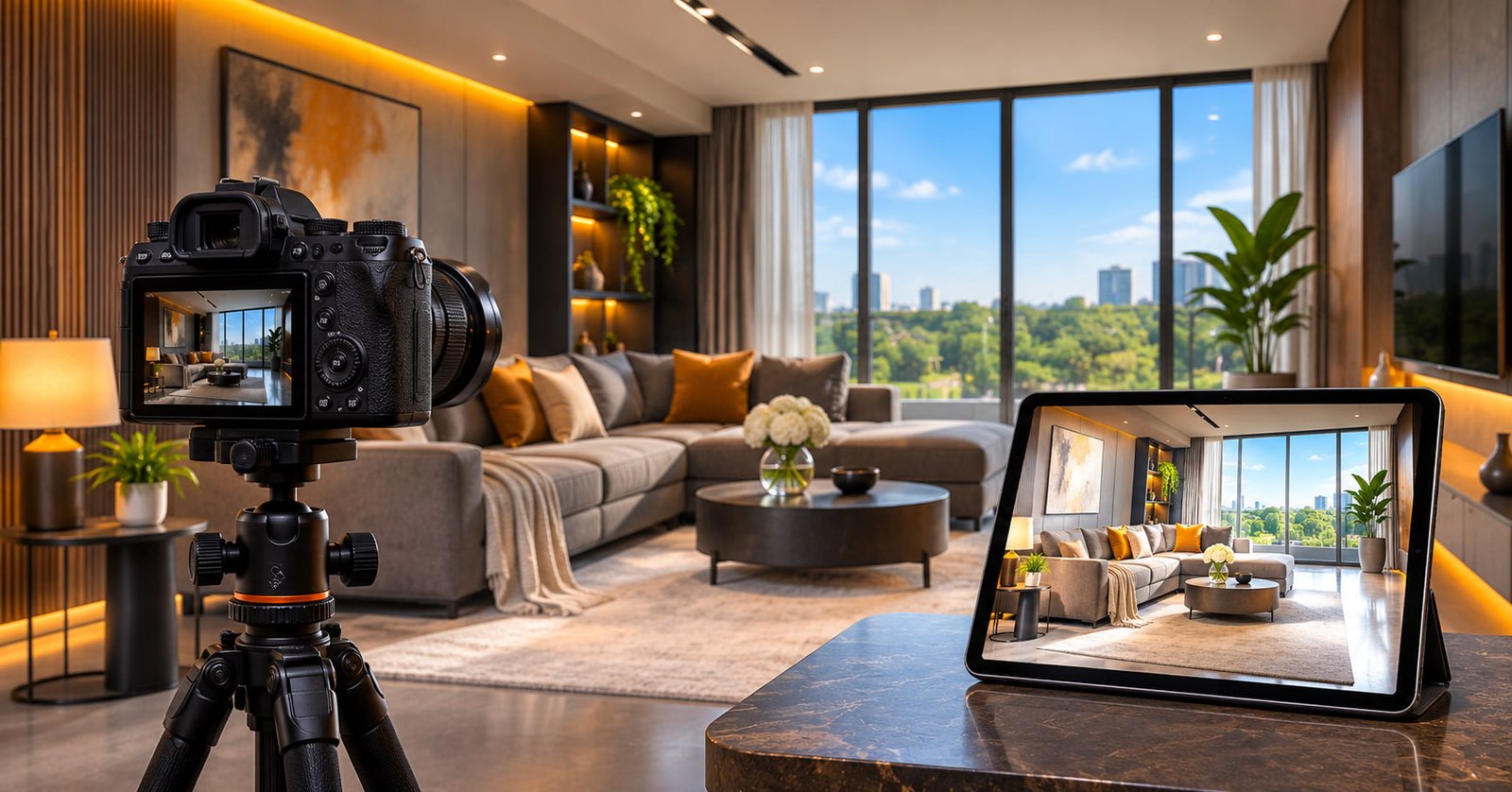
For a photographer, that means every image has to hold up at thumbnail size and look consistent across a full gallery. Much of that consistency is created in editing, not at the shoot.
What digital photo treatment covers
| Treatment | What it does | Typical use |
|---|---|---|
| Exposure and color correction | Balances brightness, white balance and contrast so the room looks like it does in person | Every image in a shoot |
| HDR or exposure blending | Combines bracketed shots to hold detail in both shadows and bright windows | Interiors with strong window light |
| Window pull | Shows the view outside rather than blown-out white glass | Interior rooms with large windows |
| Perspective and lens correction | Straightens vertical lines and removes lens distortion | Interiors and exteriors, especially wide-angle shots |
| Sky replacement | Swaps a dull or overexposed sky for a suitable one | Exterior images |
| Day-to-dusk conversion | Turns a daytime exterior into a twilight look with lit windows | Hero exterior images and marketing |
| Lawn and landscaping enhancement | Improves the color and tidiness of grass and planting | Exteriors shot in poor seasons |
| Object removal | Removes items such as cables, bins, cars or personal items | Cluttered rooms and exteriors |
| Virtual staging | Adds digital furniture and decor to empty rooms | Vacant properties |
Where to draw the line: corrections, enhancements and alterations
A useful way to think about editing is by how far it moves from what is actually on site.
Corrections
Exposure, white balance, straightening, noise reduction and lens correction. These make the photo a faithful record of the room and are accepted practice.
Enhancements
Sky, twilight and lawn improvements. Whether and how these must be disclosed depends on your MLS and local rules, so check before you use them.
Alterations
Changing furniture, floors, walls, views or other features, or removing permanent fixtures. These are the edits most likely to need labeling or disclosure.
Keep your originals
Always store the unedited files. Some rules ask for the original to be provided alongside the edited version.
The disclosure landscape is changing
Regulators and MLS organizations are paying closer attention to edited listing photos, particularly where digital tools or AI are involved. A recent report in The Close summarizes several examples:
| Rule | What it asks for, as reported |
|---|---|
| Metro MLS (Wisconsin) | Upload the original image before the altered one, disclose changes in public remarks and watermark altered photos. Sanctions can apply to altered primary photos that do not comply. |
| California (from January 1, 2026) | Covered advertising must identify digitally altered images and give access to the original. The law covers changes to items such as furniture, flooring, walls, landscaping, facades, floor plans, neighboring properties, utility poles and window views. Lighting, sharpening, cropping and exposure corrections are generally excluded. |
| Wisconsin Act 69 (from January 1, 2027) | Licensees must disclose advertising altered with technology, including AI, when the changes create a false or misleading impression. |
| NAR Code of Ethics | REALTORS® are expected to present a true picture in their marketing, including avoiding misleading images, whether or not a state has an AI-specific photo law. |
These are summaries from a news report, not legal advice. Rules differ by MLS, state and country and are changing quickly. Confirm what applies to you with your MLS, broker or legal adviser. The photographer or agent publishing the listing is responsible for compliance, and a retouching partner edits to the instructions you give.
The practical takeaway is simple. Treat corrections as routine, treat anything that changes the property as something to label, and tell your retouching partner which edits you do and do not want applied.
What to send your retouching partner
- The full shoot as RAW or high-quality JPEG files, including bracketed sets if you want blending
- A shot list or room names so images are grouped and sequenced correctly
- A style reference, such as two or three finished images you like, plus any preferences on warmth, contrast and brightness
- Clear notes on which edits are allowed or off-limits, such as no sky replacement or no object removal
- Delivery specs: sizes for MLS upload, web and print, file format and naming
- Turnaround deadline and any watermark or labeling requirements
How an outsourced editing project typically runs
- Brief and style guideAgree the look, the permitted edits, the delivery sizes and the turnaround before any editing starts.
- Sample editA few images are edited first so you can confirm the style before the full batch begins.
- Batch editingThe full set is edited to the approved style, with color and tone matched across rooms.
- Quality checkVerticals, color consistency, window views, and any retouched areas are checked for artifacts and unnatural results.
- Delivery with originals preservedEdited images arrive in your specified formats, with your originals untouched and a note of what was edited.
- RevisionsAny corrections you request are applied within the agreed rounds.
Common editing problems, and how they are avoided
| Problem | How it is avoided |
|---|---|
| Halos and over-processed HDR | Blend exposures with restraint and check edges around windows and ceilings. |
| Color shifts between rooms | Match white balance and tone across the whole set, not image by image. |
| Sky that does not suit the scene | Choose skies that match the light direction and weather, and check reflections in windows. |
| Visible patches where objects were removed | Zoom to full size for quality checks, especially on textured surfaces. |
| Leaning verticals | Correct perspective on every image, then crop with care. |
| Photos that look better than the property | Keep edits within what you can disclose, and avoid changes buyers would notice on a visit. |
Who outsources photo editing
Real estate photographers
Shoot more properties each week and return galleries quickly without spending evenings editing.
Architectural and interior photographers
Get consistent, clean finishing for portfolios and publications, with detailed retouching on key images.
Agencies and brokerages
Keep every listing looking consistent, even when several photographers shoot for the same brand.
Developers and property marketers
Prepare large sets of images for brochures, portals and sales suites to one house style.
Questions to ask a retouching partner
| Question | Why it matters |
|---|---|
| Can you match our existing style? | Consistency across a gallery is what clients notice most. |
| Will you do a sample edit first? | It lets you correct direction before the whole batch is done. |
| Can you follow a list of allowed and off-limits edits? | Disclosure rules vary, and you decide what is acceptable for each listing. |
| What is your usual turnaround, and can you handle rush jobs? | Agents often need images within a day or two of the shoot. |
| How are originals and edited files handled? | You want originals preserved and edited files named clearly. |
| How many revision rounds are included? | Know the boundary between a correction and a new request. |
| How are our images protected? | Client photos should be handled confidentially. |
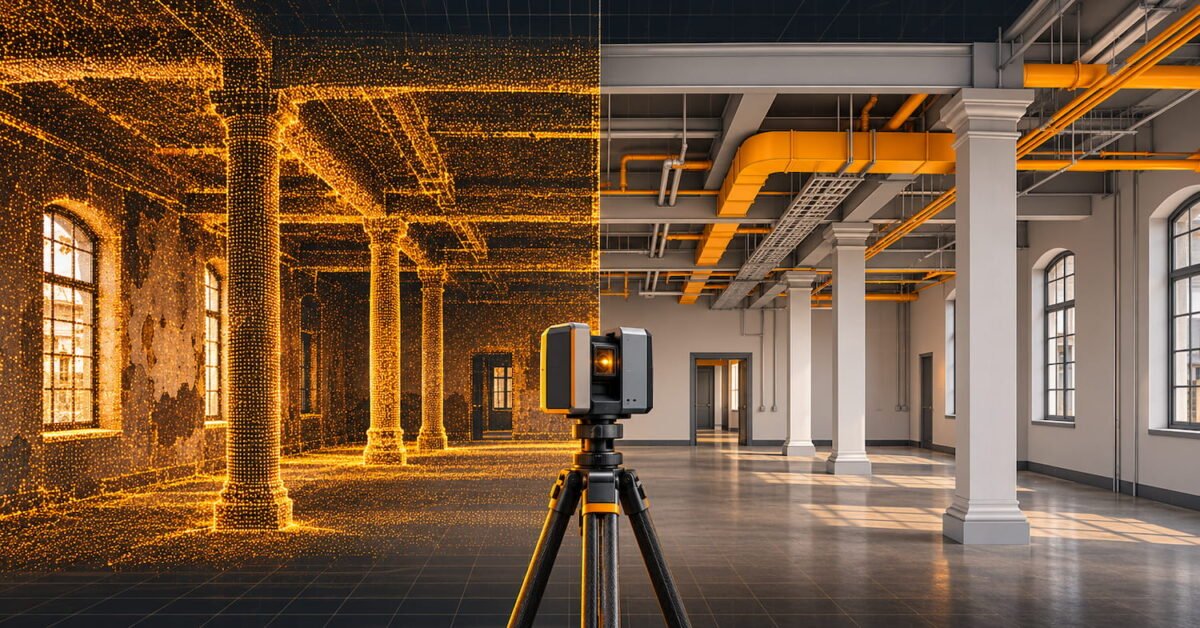
DigitiseIT has been providing CAD expertise to global customers for over 25 years, and digital photo treatment is one of the services we offer. Our digital photo treatment service supports photographers, and it can sit alongside our real estate floor plans and 3D architectural renderings so a listing’s photos, plans and visuals arrive in one consistent style. If you also shoot with Matterport, see our guide to point cloud modeling and conversion.
Looking for a retouching partner?
Send a small sample set and tell us the style and edits you want. We will return a sample edit and a quote before any full batch begins.
Related articles
References
- National Association of REALTORS®, 2024 Profile of Home Buyers and Sellers, as summarized by Real Estate Today (online first step 43%, found home through own online search 51%, mobile or tablet search 69%). realestatetoday.substack.com
- The Close, “How Far Can Agents Edit a Listing Photo? New MLS Rules Draw the Line” (summary of Metro MLS practice, California’s digitally altered image law, Wisconsin Act 69 and the NAR Code of Ethics). A news report, not legal advice. theclose.com